


Maintaining Peak Performance: Common DPF Issues and Prevention for German Cars in Geelong

Updated: May 30, 2025
German cars are celebrated for their outstanding engineering, which delivers top-notch performance, comfort, and durability. Central to the efficiency of modern diesel vehicles is the Diesel Particulate Filter (DPF). While this device plays a critical role in reducing emissions, neglecting its upkeep can lead to substantial problems. For German car owners in Geelong, it is vital to comprehend common DPF issues and implement preventive measures to ensure both vehicle performance and longevity.
Understanding the Diesel Particulate Filter (DPF)
The Diesel Particulate Filter is a key component of a diesel engine’s exhaust system. Its primary role is to capture and store particulate matter (soot) generated during combustion. This process helps minimize harmful emissions, adhering to tight environmental regulations and enhancing air quality in our communities.
However, DPFs can face several challenges that may result in reduced engine performance and increased repair costs. To avoid these issues, German car owners in Geelong must proactively manage their vehicles’ health.

Common DPF Issues in German Vehicles
1. DPF Clogging
DPF clogging is one of the most common problems. Over time, as the filter captures soot, it can become blocked. This is especially likely if the vehicle is frequently used for short trips, which prevent the engine from reaching the high temperatures necessary for effective regeneration.
Drivers may notice several symptoms if the DPF becomes clogged, including a 20% decrease in fuel efficiency, noticeable power loss, and specific warning lights illuminating on the dashboard.
2. Regeneration Problems
The DPF utilizes a process known as regeneration to burn off accumulated soot. There are two types of regeneration: passive and active.
Passive regeneration occurs automatically at high temperatures during longer drives.
Active regeneration activates when the DPF detects a soot level that requires additional fuel injection to increase exhaust temperatures.
If the regeneration process fails, it can lead to severe clogging and hefty repair bills, with costs sometimes exceeding $1,500 to replace a clogged DPF.
3. Ash Accumulation
DPFs also trap ash from engine oil and fuel additives. Unlike soot, ash cannot be burned off during regeneration, so it builds up over time. This accumulation diminishes the DPF’s effectiveness and could necessitate cleaning or replacement after around 100,000 kilometers.
4. Faulty Sensors
Many modern German vehicles have sensors that monitor the DPF's performance. Occasionally, these sensors may fail, leading to inaccurate readings. Drivers may then react to false warnings, resulting in unnecessary maintenance expenses.
Signs of DPF Issues
Being aware of potential warning signs can help protect your vehicle:
Dashboard Warning Lights: Always heed dashboard alert lights indicating DPF issues. If the DPF warning light activates, take action quickly to prevent further complications.
Loss of Power: A sudden decline in engine power could indicate a clogged DPF or issues with the regeneration process.
Increased Fuel Consumption: A significant rise in fuel usage may suggest that the DPF is malfunctioning, leading to inefficient combustion.
Preventing DPF Issues
1. Regular Maintenance
Scheduling regular maintenance appointments with a mechanic familiar with German cars will help maintain optimal DPF performance. Consistent inspections can identify and rectify DPF issues before they escalate into costly repairs.
2. Opt for Longer Driving Trips
Frequent short trips often prevent the engine from reaching the temperatures required for effective passive regeneration. Whenever possible, aim for longer drives—at least 30 minutes on highways—to facilitate DPF cleaning through natural regeneration.
3. Fuel Quality Matters
Using high-quality fuel is essential for your DPF's health. Lower-quality fuels may contain additives that produce excess soot or contribute to increased ash accumulation. Seek reputable suppliers and consider using premium diesel that meets your vehicle's specifications.
4. Monitor Driving Habits
Your driving patterns can significantly impact DPF performance. Avoid excessive idling and aggressive driving. Instead, practice smooth acceleration and deceleration to minimize excessive soot production.
5. Use DPF Cleaning Additives
Using DPF cleaning additives every few months can help mitigate soot accumulation and improve regeneration efficiency. Talk to your mechanic to find a suitable product for your vehicle.
6. Stay Informed
Understanding your vehicle's specific maintenance needs is critical. Consult the owner’s manual for maintenance schedules and DPF guidelines. Staying informed about best practices can greatly enhance the health of your German car.
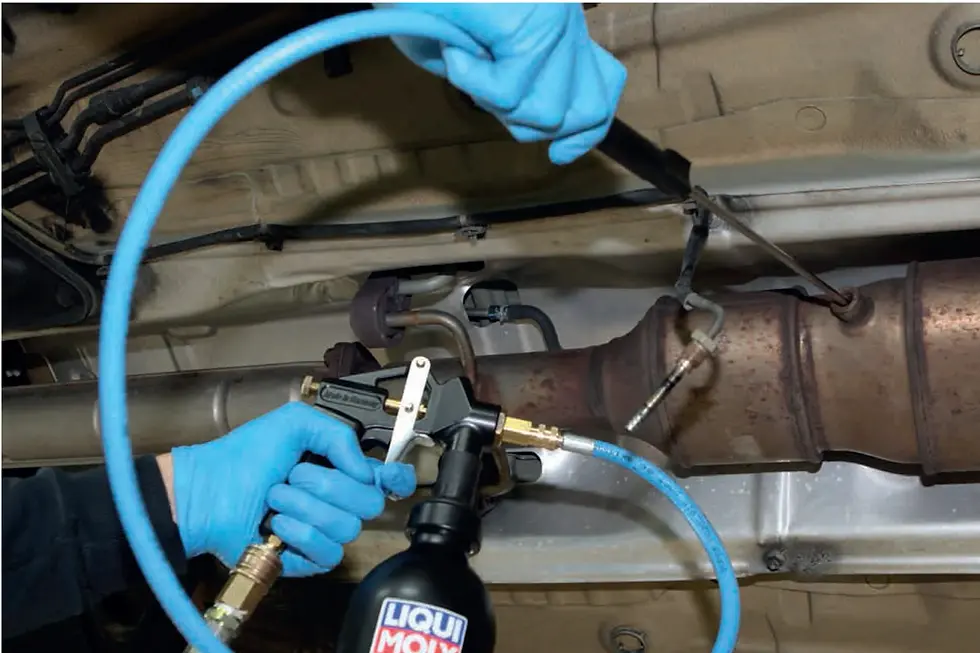
Troubleshooting DPF Issues
If you suspect your DPF has problems, consider these steps:
Check for Warning Lights: Pay close attention to any alert lights on the dashboard. If the DPF light is on, immediate action is necessary.
Run the Vehicle on a Motorway: Taking the car for a longer drive of at least 20 to 30 minutes can facilitate passive regeneration. Aim for a consistent speed above 60 kph to optimize the process.
Consult a Professional: If issues persist, consult a qualified mechanic who is well-versed in the intricacies of German cars and their DPF systems.
Keeping Your DPF Healthy
Maintaining the Diesel Particulate Filter is essential for ensuring peak performance in your German vehicle. By understanding common DPF issues and instilling preventive practices, German car owners in Geelong can not only avoid costly repairs but also enjoy the full capabilities of their engines. Regular maintenance, mindful driving habits, and the use of high-quality fuel are simple yet powerful strategies to keep everything running smoothly.
Taking a proactive stance on DPF health can help ensure that your German car continues to perform at the high standards you expect for years to come.

Email us on : service@germanconnection.com.au
Call us on :
0423 122 768


Nice dpf-fixer.co.uk
I see that the argument stays grounded across the breadth of the topic. Observations are tied to concrete indicators. The website offers additional contextual materials related to the subject. User engagement flows are contextualized by interactive media services.