


How to Handle Coolant Issues in Your BMW

Coolant problems in your BMW can lead to serious engine damage if not addressed promptly. Understanding how to identify, diagnose, and fix these issues is essential for maintaining your vehicle’s performance and longevity. This guide will walk you through everything you need to know about handling coolant issues in your BMW, from spotting early warning signs to effective repair strategies.
Understanding BMW Coolant and Its Importance
Coolant, also known as antifreeze, plays a crucial role in regulating your BMW’s engine temperature. It prevents the engine from overheating in hot weather and freezing in cold conditions. BMW engines are designed with specific coolant requirements to ensure optimal performance and protection.
Using the wrong type of coolant or neglecting regular maintenance can cause corrosion, leaks, and overheating. BMW coolant is typically a phosphate-free, ethylene glycol-based formula that meets the manufacturer’s specifications. Always check your owner’s manual for the recommended coolant type.
Regularly checking the coolant level and condition is a simple yet effective way to avoid costly repairs. Low coolant levels or discolored fluid can indicate leaks or contamination. Keep an eye on the coolant reservoir and radiator cap for any signs of damage or wear.

Signs of Coolant Problems in Your BMW
Recognizing the symptoms of coolant issues early can save you from expensive repairs and breakdowns. Here are some common signs to watch for:
Engine Overheating: The temperature gauge rising above normal or warning lights on the dashboard.
Coolant Leaks: Puddles of green, orange, or pink fluid under your car.
Sweet Smell: A sweet, syrupy odor inside or outside the vehicle, indicating leaking coolant.
Low Coolant Level: Frequent need to top up the coolant reservoir.
Heater Malfunction: The cabin heater blowing cold air due to insufficient coolant circulation.
White Smoke from Exhaust: This can indicate coolant entering the combustion chamber, a sign of a blown head gasket.
If you notice any of these symptoms, it’s important to inspect your BMW’s cooling system immediately. Ignoring these signs can lead to engine damage or failure.

What is the Most Common Coolant Leak in a BMW?
The most frequent coolant leak in BMWs occurs at the water pump and thermostat housing. These components are critical for circulating coolant through the engine and radiator. Over time, seals and gaskets in these areas can degrade, causing leaks.
Another common source is the radiator hoses, which can crack or become loose due to heat and pressure. Additionally, the expansion tank or coolant reservoir may develop cracks, especially in older models.
Leaks from these parts often result in a noticeable drop in coolant levels and visible puddles under the vehicle. Regular inspection and maintenance can help catch these leaks early.
If you suspect a leak but cannot locate it, professional diagnosis is recommended. For reliable bmw coolant leak repair, consider consulting a specialist who understands BMW cooling systems.

How to Fix Coolant Issues in Your BMW
Fixing coolant problems involves several steps depending on the source of the issue. Here’s a practical approach:
Identify the Leak Source: Use a pressure tester to pressurize the cooling system and locate leaks.
Replace Faulty Parts: Common replacements include water pumps, thermostat housings, radiator hoses, and expansion tanks.
Flush the Cooling System: Remove old coolant and contaminants by flushing the system with distilled water or a cleaning solution.
Refill with Correct Coolant: Use the recommended BMW coolant mixture, usually a 50/50 mix of coolant and distilled water.
Bleed the System: Remove air pockets to ensure proper coolant circulation and prevent overheating.
Test for Leaks: After repairs, run the engine and check for any signs of leaks or overheating.
DIY repairs are possible for those with mechanical experience, but many BMW owners prefer professional service to ensure the job is done correctly. Always use genuine or high-quality replacement parts to maintain your vehicle’s integrity.
Preventing Future Coolant Problems in Your BMW
Prevention is better than cure when it comes to coolant issues. Here are some tips to keep your BMW’s cooling system in top shape:
Regular Inspections: Check coolant levels and condition every few weeks.
Scheduled Maintenance: Follow BMW’s recommended service intervals for coolant replacement and system checks.
Use Correct Coolant: Avoid mixing different types of coolant or using generic antifreeze.
Monitor Temperature Gauge: Pay attention to any unusual temperature fluctuations.
Check for Leaks: Look under your car regularly for any signs of fluid puddles.
Keep Radiator Clean: Remove debris and dirt from the radiator to ensure efficient cooling.
By staying proactive, you can avoid unexpected breakdowns and costly repairs related to coolant issues.
Handling coolant issues in your BMW doesn’t have to be stressful. With the right knowledge and timely action, you can keep your engine running smoothly and efficiently. Whether you choose to tackle minor repairs yourself or seek professional help, understanding your vehicle’s cooling system is key to long-term reliability.

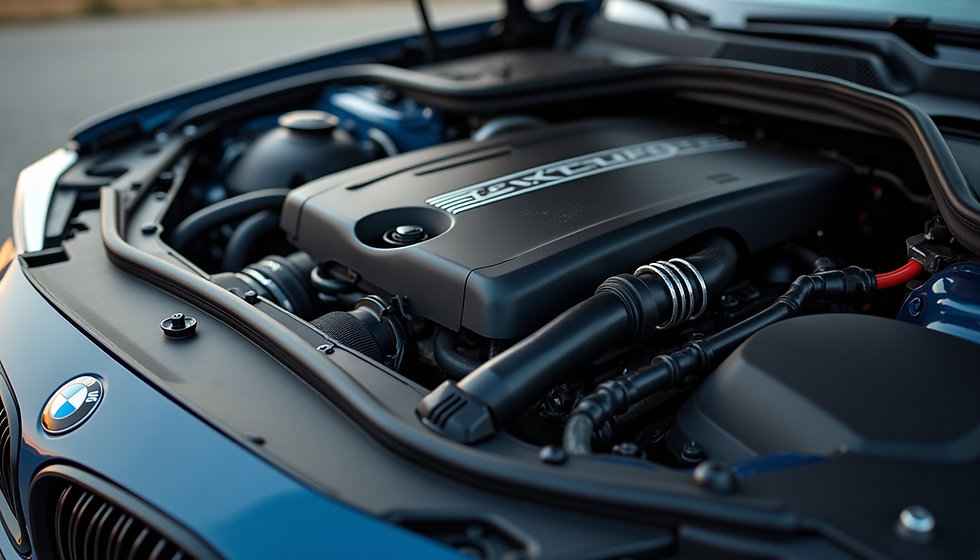

Great article—very informative and practical for BMW owners. Understanding how Anti Freeze & Coolant works is essential because it not only regulates engine temperature but also protects internal components from corrosion and freezing, ensuring long-term performance. As highlighted, recognizing early warning signs like overheating, coolant leaks, or a sweet smell can help prevent serious engine damage and costly repairs, making regular inspection and timely maintenance absolutely crucial for any BMW owner.
Thank you for the balanced perspective provided. The influence of online entertainment platforms on user engagement is a key takeaway. Additional background on this topic may be found on the website . The article’s focus on technological advancements is particularly relevant.